Monday, 16 September 2013

Genre and Narrative/Macro Elements


16/9/13

Genres 

A genre is a category of media products regarded as a similar form or type. To be classified as a specific genre there has to be recognisable components within the media type.

There are a numerous amount of genres the examples of horror, comedy, science fiction, thrillers, western, muscials and romance.

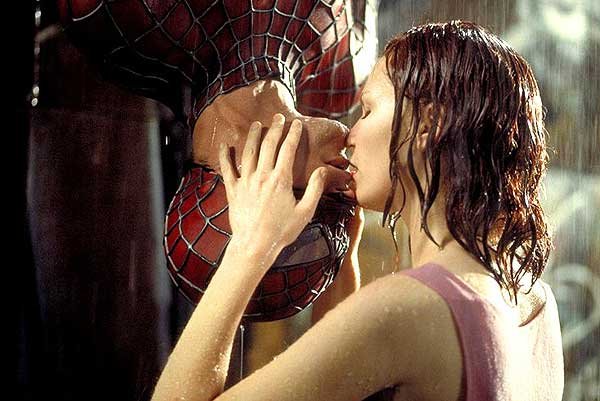
Below are are some images containing key components recognised within the genre of

Romance                                                                    


Narrative

In regards to the story the narrative is the sequence of events; also known as the plot.
The narrative structure is the way in which events are revealed to the audience.


Linear narrative is when the sequence of events are shown in the order that they took place. 
The most popular linear is:


Non-linear structures the sequence of events revealed out of order.
An example of this would be the film slum dog millionaire that jumps back and forth to various time periods in a series of flashbacks. 


Sunday, 15 September 2013

The thriller recipe

What makes a thriller?

Thriller is a very wide genre so it very difficult to define.

There are numerous types of thrillers including

  • Psychological Thrillers
  • Action Thrillers
  • Crime Thrillers
  • Legal Thrillers
  • Medical Thrillers
  • Spy Thrillers
                                                               and more.


Thrillers are characterised by fast pacing, frequent action.

In a thriller it is common to see devices such as

McGuffins
A plot or device that influences the characters or story but has little or no relevance to the story.

Enigmas
Something mysterious or puzzling for the protagonist to solve during the film.

Red Herrings
A device to divert the audience's attention from the truth or something of significance.

Cliff-hangers

Suspense
Makes the audience anxious as they anticipate what will happen next; thus creating tension.

Other feelings created by thrillers include:

Hope
Surprise
Shock
Excitement
Uncertainty

Although, there are numerous amount of thriller genres a common ground they all share is the intensity of emotions that they feature.


Alfred Hitchcock


Sir Alfred Joseph Hitchcock was born on the 13th of August 1899 in Leytonstone, England.
After a successful career in British cinema in both silent films and early talkies, renowned as England's best director, Hitchcock moved to Hollywood to in 1939 and became a U.S. citizen in 1955.

He is renowned as a legendary filmmaker and director. He has directed more than fifty feature films in a career spanning nearly six decades.

Hitchcock is regarded as one of the best filmmakers of all  time. He shaped cinema through the work of his suspense and psychological thrillers. Hitchcock advanced techniques such as using the camera to mimic a person's gaze, advanced film editing and framing shots to maximise fear, anxiety and empathy from the audience.

Hitchcock quotes

Thrillers allow the audience
"To put their toe in the cold water of fear to see what it is like"
 
"There is no terror in the bang, only in the anticipation of it"
 
"Always make the audience suffer as much as possible"
 
"If it's a good movie, the sound could go off and the audience would still have a perfectly clear idea of what's going on"
Hitchcock, Alfred 02.jpg

Fact: Around age five, according to Hitchcock, he was sent by his father to the local police station with a note asking the officer to lock him away for five minutes as punishment for behaving badly This incident not only implanted a lifetime fear of policemen in Hitchcock, but such harsh treatment and wrongful accusations would be found frequently throughout his films!

Welcome!

My name is Lauren Quashie. This blog's purpose is to present my media A level coursework. Here will be coursework including presentations, evaluations, exercises and more. Enjoy!